How to Spot Low-Quality or "AliExpress Rebranded" Microbrands in 2026
Learn to identify low-quality AliExpress rebranded watches pretending to be legitimate microbrands. 25+ red flags, verification steps, pricing guides, and protective strategies.
Steven Thompson
Independent Watchmaker · 10 Years Experience
Reviewed by Indie Watches
Editorially reviewed for accuracy
⚡ Key Takeaways
- ✓Customers get ripped off, paying 600% markups for $45 watches
- ✓Legitimate microbrands get lumped in with scammers, damaging the entire category
- ✓The industry loses credibility as consumers become cynical
- ✓Platforms like Indie Watches must work harder to filter out garbage
📑 Table of Contents
Here's a story that happens every single day:
📚 Explore our full watches guide →
Someone discovers "watches" through Instagram. An ad pops up: stunning dive watch, gorgeous photos, "Swiss-inspired design," "limited edition," "$899 value, NOW ONLY $299!" The brand name sounds vaguely European—maybe Nordic, maybe Italian. The marketing talks about "passion for horology," "craftsmanship," "independent watchmaking."
They buy it. The watch arrives. It looks... fine. Not amazing, but fine.
Then they Google the brand name plus "review." They find a Reddit thread. Someone posts: "I found the exact same watch on AliExpress for $45. Same case. Same dial. Same everything. Just different logo."
They've been had.
They didn't buy from an independent watchmaker pursuing a passion. They bought from a dropshipper who spent 15 minutes on Alibaba, found a generic watch design, paid $8 to have their logo printed on it, and marked it up 3,000%.
This isn't a rare occurrence. It's an epidemic.
The microbrand space is flooded—absolutely flooded—with "brands" that aren't brands at all. They're arbitrage operations. Digital storefronts. Marketing exercises wrapped around commodity products with zero original design, zero quality control, and zero long-term commitment.
And they're getting harder to spot.
Early dropshippers (2015–2020) were obvious: terrible websites, stolen photos, broken English, obvious scams. Modern AliExpress rebrand operations (2023–2026) are sophisticated: professional websites, influencer marketing, Instagram aesthetics, plausible brand stories. They've learned to mimic legitimate microbrands almost perfectly.
This hurts everyone:
- Customers get ripped off, paying 600% markups for $45 watches
- Legitimate microbrands get lumped in with scammers, damaging the entire category
- The industry loses credibility as consumers become cynical
- Platforms like Indie Watches must work harder to filter out garbage
But you can learn to spot them.
This comprehensive guide teaches you exactly how to identify low-quality, rebranded watches pretending to be legitimate microbrands—and how to support actual independent watchmakers instead.
What "AliExpress Rebranding" Actually Means #
The Dropship/Rebrand Business Model #
How it works:
- Browse AliExpress/Alibaba — Search for "automatic watch" or "dive watch." Find generic designs from Chinese manufacturers. These are catalog products—anyone can buy them. Same watches sold under hundreds of "brand names."
- Order Samples — Purchase 1–5 watches for $30–$80 each. Test quality (usually mediocre but functional).
- Create "Brand" — Register generic domain name. Design logo (or pay $50 on Fiverr). Write "brand story" about passion and craftsmanship. Build Shopify website ($29/month).
- Custom Logo Printing — Contact factory on Alibaba. Pay for logo to be printed on dial and clasp. Minimum order: 50–100 pieces. Cost: $30–$50 per watch.
- Mark Up 500–800% — $45 watch becomes "$799 retail price." "Launch special: $299!" Customer thinks they're getting a deal.
- Instagram Marketing — Pay influencers $200–500 for posts. Run Facebook/Instagram ads. Use aspirational lifestyle photos.
- Fulfill Orders — Customer orders $299 watch. Operator orders from Alibaba for $45. Ships directly (dropship) or from a garage. Zero design work, zero manufacturing, pure arbitrage.
Total time to "launch watch brand": 2–4 weeks. Total investment: $2,000–$5,000. Design originality: Zero. Long-term commitment: None.
What This Is NOT #
AliExpress rebranding is NOT the same as legitimate microbrands using Chinese contract manufacturing:
- Brands that design original watches
- Work with factories to produce custom designs
- Specify materials, finishing, quality control
- Take responsibility for the product
- Build long-term brand equity
Examples of legitimate use of Chinese manufacturing: Nodus (custom designs, quality focus), Zelos (unique designs, own specifications), and many respected microbrands.
The difference is original design and quality control, not manufacturing location.
How to Spot Them: 25+ Red Flags #
Category 1: Website and Branding Red Flags #
🚩 Red Flag #1: Generic or Stolen Photos
Professional lifestyle photos that look too perfect, stock photos, no actual product photos. How to check: Right-click image → "Search image with Google." If the photo appears on multiple watch brand sites, it's stock or stolen. Legitimate brands invest in original photography.
🚩 Red Flag #2: Vague or Generic Brand Story
Dropshipper language: "Founded by a group of watch enthusiasts..." "Inspired by Scandinavian/Swiss/Italian heritage..." but actually registered in Delaware. No specific founder name, no real history.
Legitimate brands have: Named founder with biography, specific origin story, photos of founder/team, clear timeline of development.
🚩 Red Flag #3: Recently Registered Domain
Go to who.is, enter brand website, check registration date. Red flags: domain registered within past 6 months, privacy protection hiding owner. Legitimate brands usually have 2+ years of domain history.
🚩 Red Flag #4: Shopify Template Website
Cookie-cutter design with obvious Shopify templates. No physical address, only a contact form. No phone number. Address is clearly a mail forwarding service.
🚩 Red Flag #5: No Social Media Engagement History
Recently created Instagram, lots of followers but zero comments (= bought followers), generic comments like "Nice watch!" "Amazing!" (= bots). Legitimate brands have years of history with real, organic engagement.
Category 2: Product Red Flags #
🚩 Red Flag #6: Identical Watch Design on AliExpress
How to check:
- Reverse image search: Screenshot the watch → Google Image Search → look for matches on AliExpress
- Search AliExpress directly: "automatic dive watch" → compare case shape, dial layout, hands, bezel
- Search specific features: "40mm dive watch miyota" or "Flieger pilot watch"
Finding an exact match (same case, dial, hands) on AliExpress for $35–$80 is a massive red flag.
🚩 Red Flag #7: Suspiciously Low Prices for Claimed Specs
Price reality check: If a watch claims Swiss movement (ETA/Sellita), sapphire crystal, solid case construction, good finishing — it should cost at minimum $300–400 at true microbrand pricing.
Component costs (wholesale): Swiss ETA 2824: $150–250. Sapphire crystal: $30–60. Decent case: $50–100. Assembly/QC: $30–50. Total: $260–460. With 2–3x markup, realistic retail is $500–900 minimum.
If selling for $199: either using cheap Chinese movement (not Swiss) or lying. Learn more in our guide to choosing your first microbrand.
🚩 Red Flag #8: Vague Movement Descriptions
Dropshipper language: "Japanese automatic movement" (doesn't specify which), "Swiss-inspired movement" (not Swiss), "Precision automatic movement" (meaningless).
Legitimate brands specify: "Seiko NH35A," "Miyota 9015," or "ETA 2824-2" with technical specs. Read our complete guide to watch movements to understand why this matters.
🚩 Red Flag #9: Stock Case Designs
Generic Sub homage, pilot watch with onion crown, Bauhaus minimal dial, Panerai-style cushion case. These designs aren't inherently bad, but if the watch is identical to 50 other "brands," it's a catalog product.
🚩 Red Flag #10: "Limited Edition" Everything
Every model is "limited edition." Creates false scarcity. "Only 500 pieces!" (but they'll make more). Real limited editions are rare — if every release is "limited," nothing is.
Category 3: Marketing and Sales Red Flags #
🚩 Red Flag #11: Aggressive Discount Tactics
"Retail price: $899. Today only: $299!" Countdown timer that resets daily. Fake urgency ("Only 3 left!"). The "retail price" is made up. The watch never sold for $899. $299 is the actual price — still a 600% markup. This is anchoring bias manipulation.
🚩 Red Flag #12: Paid Influencer Reviews Only
All reviews from influencers (#ad, #sponsored). Reviewers cover dozens of "microbrands." No independent reviews from respected watch media. Legitimate brands earn organic reviews and get covered by respected sites.
🚩 Red Flag #13: Comparison to Luxury Brands
"Rolex quality at 1/10 the price!" Real microbrands avoid these comparisons (legal risk). Legitimate brands emphasize their own unique value. Learn more about whether microbrand watches are worth it.
🚩 Red Flag #14: Facebook/Instagram Ad Bombardment
Brand suddenly appears in your feed constantly. No organic brand awareness. Dropshippers rely 100% on paid ads — spend $5K on ads, make $15K in sales, repeat.
🚩 Red Flag #15: Kickstarter Red Flags
First project ever, impossibly low prices, renders only (no prototypes), vague manufacturing, no watch industry experience. Read our deep dive on buying microbrands on Kickstarter vs. retail.
Category 4: Customer Service & Post-Sale Red Flags #
🚩 Red Flag #16: Terrible Customer Service
No response to emails, generic unhelpful responses, can't answer technical questions, warranty claims ignored. Dropshippers have no incentive to provide service after sale. Learn about evaluating customer service and warranty.
🚩 Red Flag #17: Sketchy Return Policy
No returns, customer pays return shipping to China, 50%+ restocking fees. Legitimate brands offer clear, generous return policies (30+ days).
🚩 Red Flag #18: Long Shipping Times
4–8 week shipping, ships from China despite "European" branding, tracking shows Shenzhen/Guangzhou origin. Legitimate brands ship from local warehouses (3–7 days domestic).
Category 5: Community & Reputation Red Flags #
🚩 Red Flag #19: Zero Forum Presence
Check WatchUSeek, Reddit r/Watches — zero discussion or only negative threads exposing as dropshipper. Legitimate microbrands have active community discussion.
🚩 Red Flag #20: Suspiciously Perfect Reviews
Only 5-star reviews, marketing language in reviews, all posted same week, no detailed criticism. Legitimate brands have a mix of ratings with specific personal details.
🚩 Red Flag #21: Brand Name Designed for SEO
"Swiss Luxury Watches Co." or "Premium Timepieces" — SEO-focused names scream dropshipper. Real brands have distinctive names built for brand equity.
🚩 Red Flag #22: Multiple "Brands" from Same Operation
Same website design across multiple "brands," same contact email, same ad style. Operators launch 5–10 "brands," see which sticks, abandon failures.
🚩 Red Flag #23: No Watchmaking Knowledge
Ask a technical question. Dropshipper gives generic, copied answers. Can't discuss movement, specs, or servicing. Legitimate brands respond with passion and expertise.
How to Verify: The Investigation Process #
Step 1: Reverse Image Search #
Screenshot watch photo → Google Images → upload. Look for the same watch on AliExpress/Alibaba or under different brand names.
Step 2: Domain History Check #
Go to who.is → enter brand domain. Red flags: registered within past year, privacy protection, recently changed ownership.
Step 3: Forum and Community Search #
Search WatchUSeek, Reddit r/Watches, Google "[Brand name] scam." Look for independent reviews and community discussion.
Step 4: Movement Verification #
Ask: "What specific movement is used?" Not "Japanese automatic" but "Seiko NH35A." Ask for movement photos and service details. Dropshippers can't answer specifics.
Step 5: Price Reality Check #
Example: Watch claims Swiss ETA 2824 + sapphire + stainless steel + 100M WR. Component costs total ~$340. Reasonable retail (2–3x): $680–$1,020. If selling for $299, the components are fake or cheaper than claimed.
Step 6: Check Indie Watches #
If a brand is on Indie Watches marketplace, the platform has vetted and verified the brand. If not, it doesn't automatically mean scam, but requires your own verification.
Legitimate vs. Illegitimate Contract Manufacturing #
Not all Chinese manufacturing is bad.
Legitimate Use #
Real microbrands: design original watches, create technical drawings, specify materials, choose specific movements, conduct QC inspections. Examples: Nodus, Zelos, and many successful microbrands.
Illegitimate Dropship Model #
Browse AliExpress catalog, choose existing design, add logo. Zero input into design or quality. Just arbitrage middleman.
Key difference: Original design + quality control = legitimate. Zero original design + zero QC = scam.
Don't dismiss microbrands just because they manufacture in China. Judge based on design originality and quality execution.
Price Indicators: What's Realistic? #
Component Cost Breakdown #
| Component | Cost (Wholesale) |
|---|---|
| Seiko NH35 | $40–60 |
| Miyota 9015 | $80–120 |
| ETA 2824 | $180–250 |
| Stainless steel case | $40–100 |
| Sapphire crystal | $30–60 |
| Dial (custom) | $20–80 |
| Bracelet/strap | $20–80 |
Total component cost: $170–$600. Add assembly, QC, shipping, marketing: $240–$750 total. Reasonable DTC markup (2–3x): $480–$2,250 retail.
Legitimate Pricing Examples #
- Budget ($200–$400): Seiko NH35, decent case, sapphire or mineral crystal. Honest value.
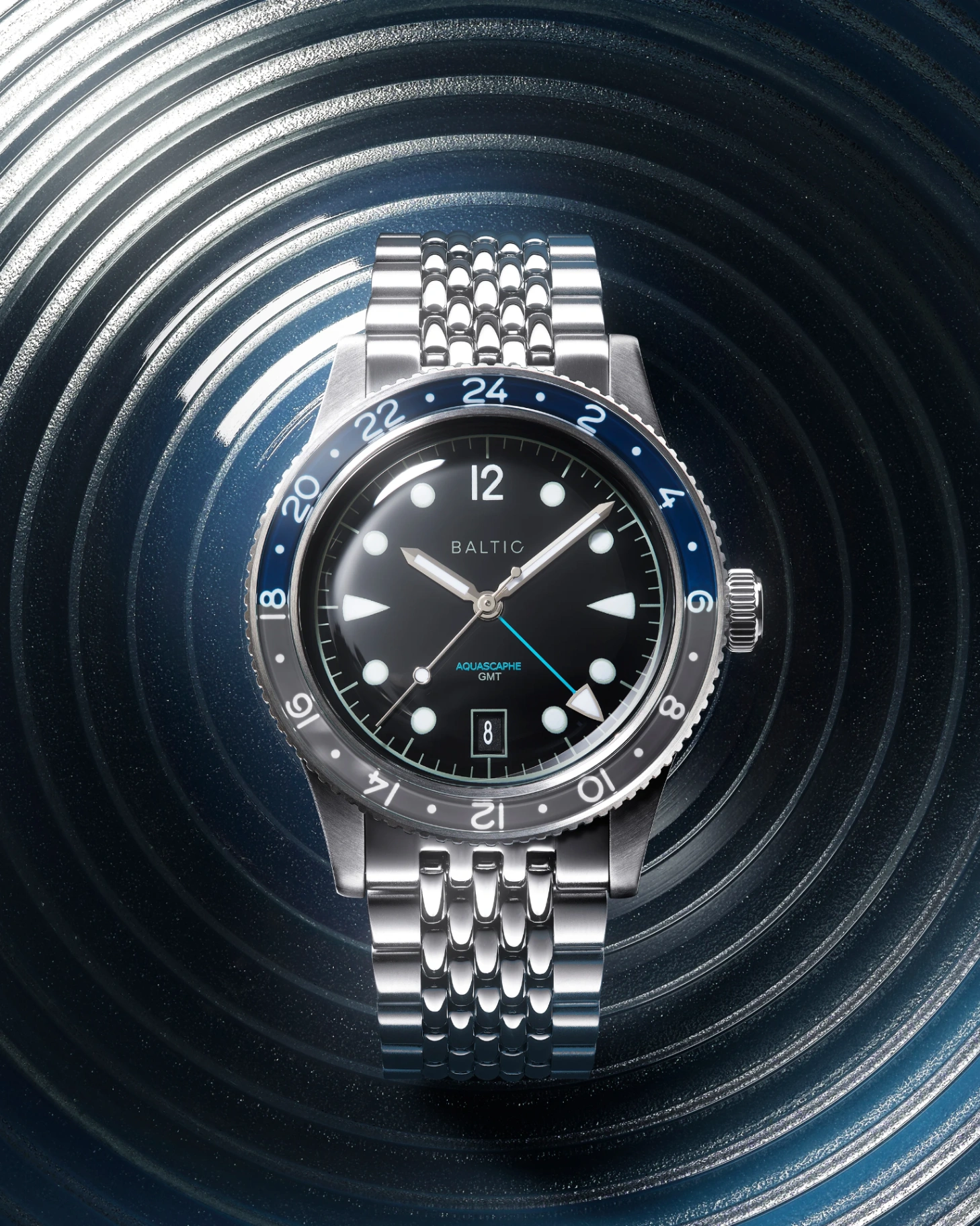
- Mid-Tier ($400–$800): Miyota 9015 or Swiss movement, good finishing, original design. Examples: Baltic, Lorier, Farer.
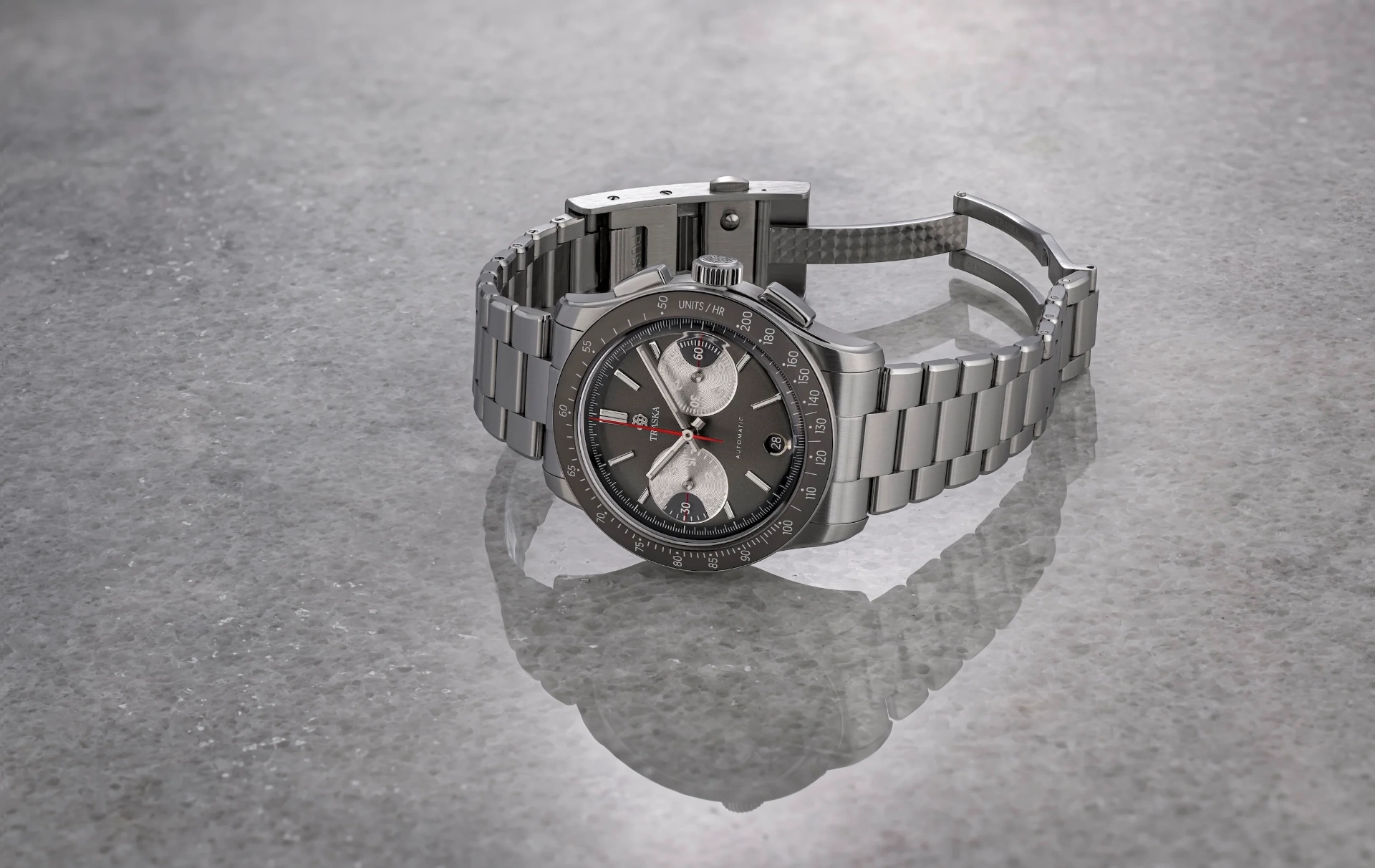
- Premium ($800–$2,000): Swiss movements (ETA/Sellita), excellent finishing. Examples: Monta, Halios, TRASKA.
- Ultra-Premium ($2,000+): In-house or high-complication movements, exceptional finishing. Examples: Serica, Oak & Oscar.
Explore brands by price range on our marketplace or browse our brand directory.
Why This Matters for the Industry #
When customers get burned by dropshippers, they become cynical about all microbrands. One bad experience ruins category perception. This is killing the microbrand ecosystem.
Breaking the cycle requires: consumer education (this guide), platform curation, community calling out scams, and legitimate brands being transparent.
How to Buy Safely: Protective Strategies #
Strategy 1: Buy from Curated Platforms #
Use Indie Watches marketplace: pre-vetted brands, quality assurance, customer protection, zero risk of dropship scams.
Strategy 2: Verify Before Buying #
Checklist: ✅ Domain 2+ years old. ✅ Specific movement ID. ✅ Reverse image search clean. ✅ Positive forum discussion. ✅ Verifiable founder. ✅ Pricing makes economic sense. ✅ Clear return policy. ✅ Physical address.
Use our guide to researching a microbrand before buying for the full process.
Strategy 3: Start with Established Microbrands #
Stick to proven brands: Baltic, Lorier, Farer, Monta, Halios, Nodus. Track record proves legitimacy. Browse the most popular microbrand companies.
Strategy 4: Use Credit Card Protection #
Pay with credit card for chargeback and fraud protection. Avoid wire transfers, cryptocurrency, and debit cards.
Strategy 5: Check Forums First #
Search WatchUSeek and Reddit r/Watches for "[Brand name]." Google "[Brand name] scam." If zero results: very suspicious.
Frequently Asked Questions #
How can I tell if a watch is rebranded from AliExpress? #
Use reverse image search: screenshot the watch photo, use Google Image Search, and look for identical designs on AliExpress/Alibaba selling for $30–$80. Check case shape, dial layout, hands, and bezel. If you find an exact match, it's likely rebranded.
Are all microbrands that use Chinese manufacturing dropshippers? #
No. Many legitimate microbrands use Chinese contract manufacturing for cost efficiency while maintaining design originality and quality control. Brands like Nodus, Zelos, and many others use Chinese manufacturing legitimately. The difference is original design + quality control.
Why are some microbrands so cheap if they're legitimate? #
Direct-to-consumer models eliminate retail markup. Traditional brands sell through dealers at 6x manufacturing cost. Microbrands sell direct at 2–3x cost, allowing 40–60% lower prices for similar quality.
What should I do if I bought a dropshipped watch? #
Attempt return through brand's policy. If refused, dispute with your credit card company. Document everything: photos, AliExpress comparisons, marketing claims. Leave honest reviews warning others.
How long should a brand exist before I trust it? #
Generally 2+ years indicates legitimacy. Brands operating 5+ years are almost certainly legitimate. New brands (under 1 year) require extensive verification. Read more about common beginner mistakes.
What's a fair price for a microbrand watch? #
NH35 movement + decent case + sapphire: $400–$600. Miyota 9015 or entry Swiss: $600–$1,000. Premium Swiss with excellent finishing: $800–$1,500. Check our microbrand budget guide for detailed pricing.
Are Kickstarter watch projects safe? #
Mixed bag. Many legitimate brands launched via Kickstarter (Baltic, Farer, Brew). Red flags: first-time creator, impossibly low prices, renders only, no prototypes. Read our Kickstarter vs. retail guide.
Can I trust Instagram influencer reviews? #
Generally no. Most watch influencers accept payment, creating bias. Look for disclosure of sponsorship, history of selectivity, and technical depth. Independent reviews from established media carry far more weight.
What happens to my warranty if the brand disappears? #
You're stuck. For common movements (NH35, Miyota 9015, ETA 2824), independent watchmakers can service them, but custom parts become irreplaceable. This is why buying from brands with strong warranty programs matters.
Conclusion: Protecting Yourself and the Industry #
The microbrand space has a scam problem. Probably 60–70% of "microbrands" launched in the past 3 years are either outright dropshipping scams or low-quality rebranded operations.
But you can still spot them:
- ✅ Reverse image search reveals AliExpress matches
- ✅ Domain registered within past year
- ✅ Vague movement descriptions
- ✅ Impossible economics
- ✅ Generic brand story with no real founder
- ✅ Zero community presence on forums
- ✅ Aggressive discount tactics and fake urgency
- ✅ Only paid influencer reviews
The good news: Legitimate microbrands exist and deserve your support. Brands like Baltic, Lorier, Farer, Monta, Halios, TRASKA, and dozens of others are creating genuinely original designs with passion and integrity.
Here's how you protect yourself AND the industry:
- Do your homework: Reverse image search, check forums, verify domain history
- Buy from curated platforms: Indie Watches filters out scams
- Support established microbrands: Brands with 3+ year track records are safe bets
- Call out scams: Warn others in forums and reviews
- Pay realistic prices: If it seems too cheap, it's probably garbage
- Demand transparency: Legitimate brands will specify movements, show manufacturing, answer technical questions
Every time you buy from a legitimate microbrand, you support independent watchmaking, reward original design, and help the industry become healthier.
Stay skeptical. Support quality. And help us protect independent watchmaking. ⌚
Ready to shop from vetted brands? Browse the Indie Watches marketplace →
❓ Frequently Asked Questions
Q:How can I tell if a watch is rebranded from AliExpress?
Use reverse image search: screenshot the watch photo, use Google Image Search, and look for identical designs on AliExpress/Alibaba selling for $30–$80. Check case shape, dial layout, hands, and bezel. If you find an exact match, it's likely rebranded.
Q:Are all microbrands that use Chinese manufacturing dropshippers?
No. Many legitimate microbrands use Chinese contract manufacturing for cost efficiency while maintaining design originality and quality control. Brands like Nodus, Zelos, and many others use Chinese manufacturing legitimately. The difference is original design + quality control.
Q:Why are some microbrands so cheap if they're legitimate?
Direct-to-consumer models eliminate retail markup. Traditional brands sell through dealers at 6x manufacturing cost. Microbrands sell direct at 2–3x cost, allowing 40–60% lower prices for similar quality.
Q:What should I do if I bought a dropshipped watch?
Attempt return through brand's policy. If refused, dispute with your credit card company. Document everything: photos, AliExpress comparisons, marketing claims. Leave honest reviews warning others.
Q:How long should a brand exist before I trust it?
Generally 2+ years indicates legitimacy. Brands operating 5+ years are almost certainly legitimate. New brands (under 1 year) require extensive verification. Read more about common beginner mistakes.
Q:What's a fair price for a microbrand watch?
NH35 movement + decent case + sapphire: $400–$600. Miyota 9015 or entry Swiss: $600–$1,000. Premium Swiss with excellent finishing: $800–$1,500. Check our microbrand budget guide for detailed pricing.
Q:Are Kickstarter watch projects safe?
Mixed bag. Many legitimate brands launched via Kickstarter (Baltic, Farer, Brew). Red flags: first-time creator, impossibly low prices, renders only, no prototypes. Read our Kickstarter vs. retail guide.
Q:Can I trust Instagram influencer reviews?
Generally no. Most watch influencers accept payment, creating bias. Look for disclosure of sponsorship, history of selectivity, and technical depth. Independent reviews from established media carry far more weight.
Q:What happens to my warranty if the brand disappears?
You're stuck. For common movements (NH35, Miyota 9015, ETA 2824), independent watchmakers can service them, but custom parts become irreplaceable. This is why buying from brands with strong warranty programs matters.
Find Your Perfect Watch
Browse our curated collection of indie and microbrand timepieces.
📚 Related Reading
Handpicked articles from the same topic