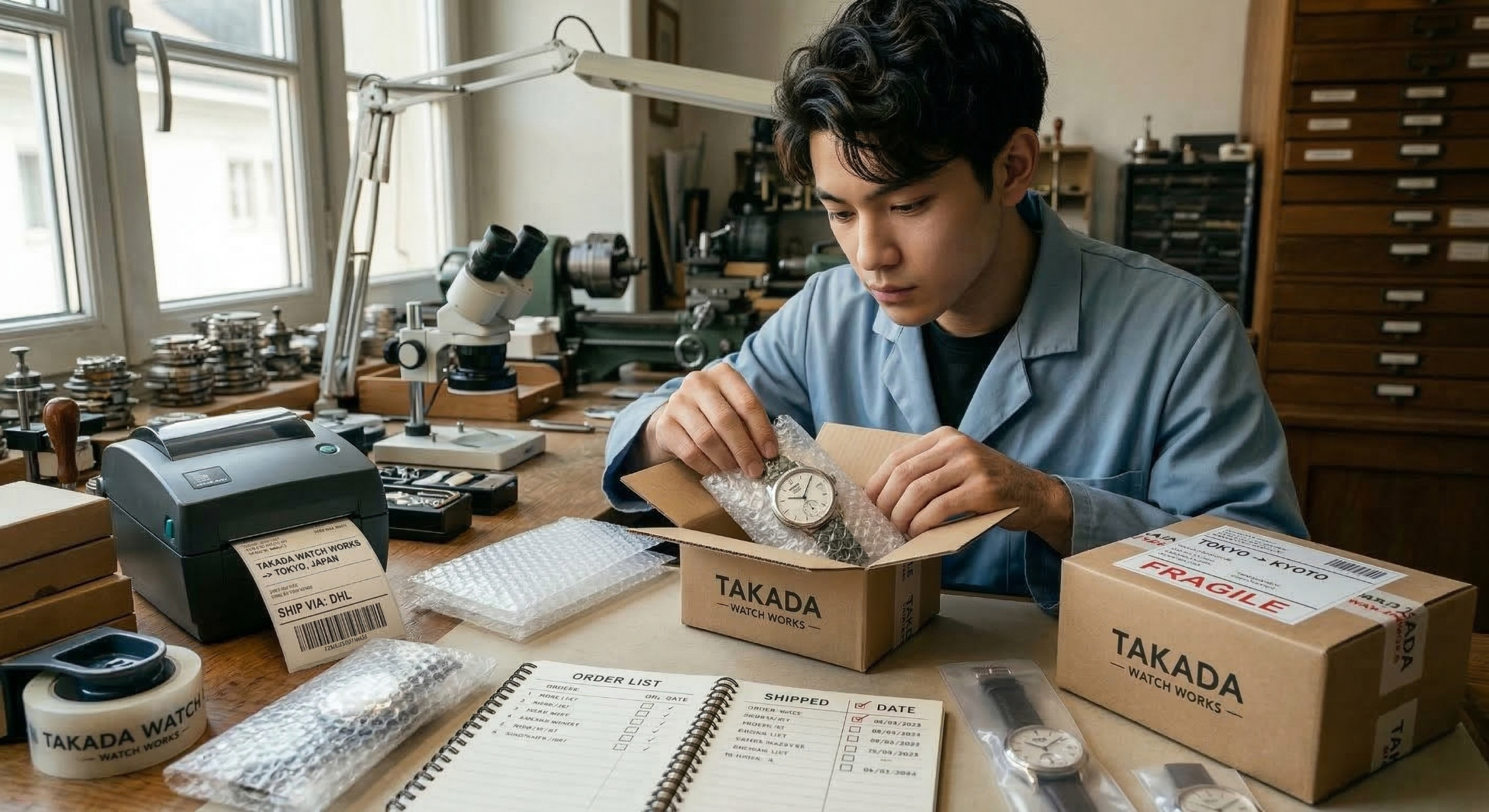
How to Market Your Microbrand Watch Company
From Kickstarter launch to sustainable growth—proven strategies for building, launching, and scaling independent watch brands. Covering branding, paid ads, email marketing, influencer partnerships, community building, and the 8 mistakes that kill microbrand launches.
Steven Thompson
Independent Watchmaker · 10 Years Experience
Reviewed by Indie Watches
Editorially reviewed for accuracy
⚡ Key Takeaways
- ✓✅ Kickstarter strategy — Campaign structure, video production, reward tiers, backer psychology
- ✓✅ Branding fundamentals — Positioning, storytelling, visual identity, differentiation
- ✓✅ Organic community marketing — Facebook groups, Reddit subreddits, watch forums, IndieWatches.store
- ✓✅ Paid advertising — Meta Ads (Facebook/Instagram), TikTok Ads, Google Shopping, YouTube
- ✓✅ Content marketing — TikTok slides, YouTube reviews, email sequences, blog strategy
📑 Table of Contents
The microbrand watch industry exploded over the past decade. What started as a handful of enthusiast-led projects on Kickstarter evolved into a legitimate segment challenging established brands—Baltic, VAER, Brew, Nodus, Zelos, Christopher Ward, and hundreds more prove independent watchmakers can compete when they understand their audience and execute smart marketing.
📚 Explore our full watches guide →
The challenge: Breaking through noise when 50+ new microbrands launch monthly. Standing out when everyone's offering "Swiss movements, sapphire crystals, and vintage-inspired design at accessible prices." Building sustainable businesses beyond initial Kickstarter hype.
The opportunity: Watch enthusiasts actively seek alternatives to mainstream brands. Communities like r/Watches, Facebook groups, and platforms like IndieWatches.store connect collectors directly with independent makers. Modern tools—Meta Ads, TikTok, email automation—level the playing field between $500M Swiss conglomerates and 3-person startups.
This Guide Covers Everything #
- ✅ Kickstarter strategy — Campaign structure, video production, reward tiers, backer psychology
- ✅ Branding fundamentals — Positioning, storytelling, visual identity, differentiation
- ✅ Organic community marketing — Facebook groups, Reddit subreddits, watch forums, IndieWatches.store
- ✅ Paid advertising — Meta Ads (Facebook/Instagram), TikTok Ads, Google Shopping, YouTube
- ✅ Content marketing — TikTok slides, YouTube reviews, email sequences, blog strategy
- ✅ Influencer partnerships — Micro-influencers, YouTube reviewers, Instagram collaborations
- ✅ Retention & growth — Email marketing, limited editions, brand ambassadors, community building
- ✅ Common mistakes — What kills microbrand launches (and how to avoid them)
Whether you're planning your first Kickstarter, struggling to scale beyond launch, or looking to compete with established microbrands—this playbook provides actionable strategies proven to work in the competitive landscape.
Part 1: Pre-Launch Foundation (Months -6 to -1) #
Step 1: Define Your Brand Position (Month -6) #
The problem most microbrands face:
Walk into any microbrand launch and you'll see identical positioning: "Swiss movement, sapphire crystal, vintage-inspired design, accessible pricing." Nobody cares. Christopher Ward already owns that space. So does Baltic. And Brew. And 200 others.
Differentiation isn't optional—it's survival.
Questions Forcing Clarity
1. What's your unfair advantage?
- In-house capabilities: anOrdain (grand feu enamel), Fears (UK manufacturing), Unimatic (Italian military contracts)
- Design heritage: Furlan Marri (Italian automotive design), Baltic (French minimalism), VAER (American field watch tradition)
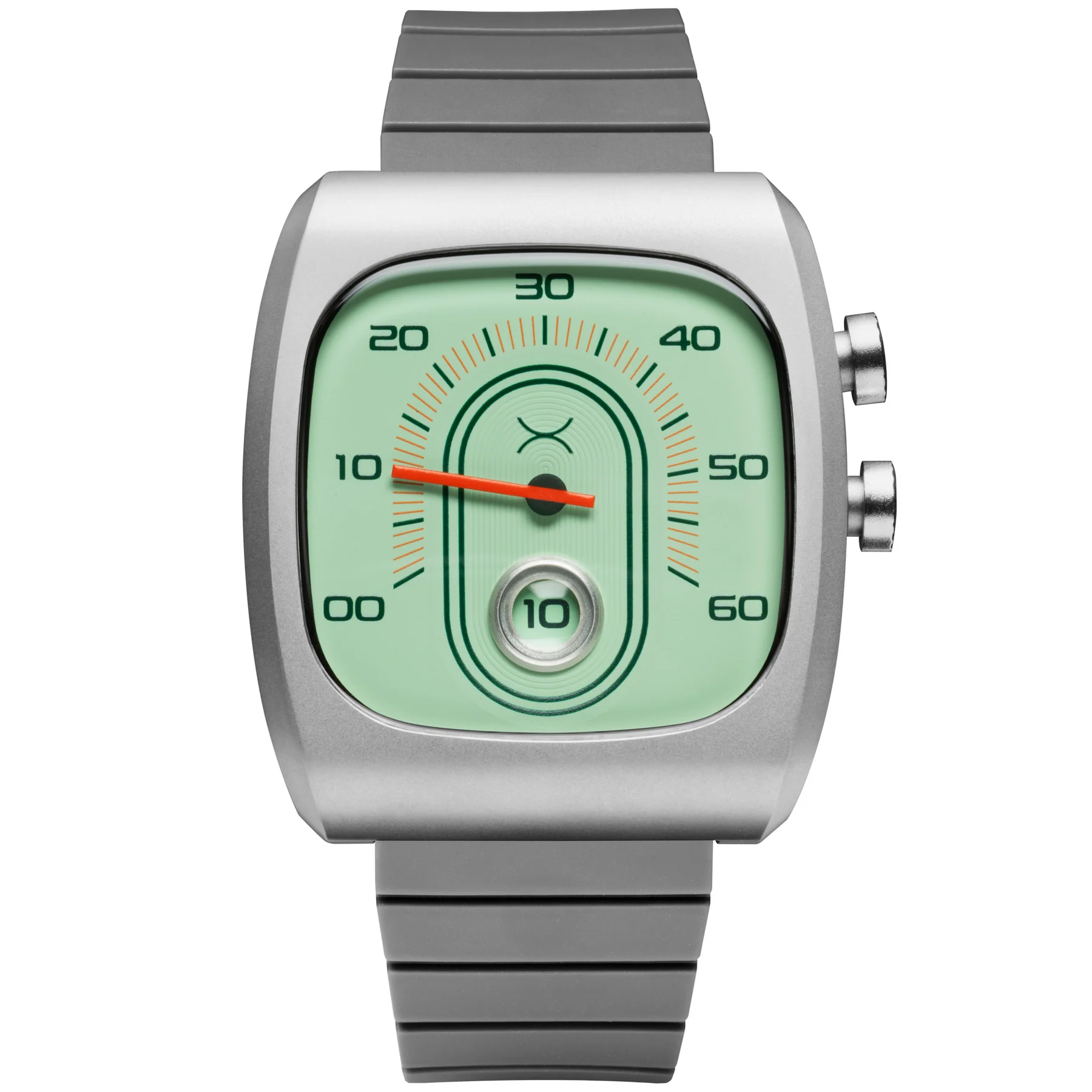
- Innovation: Xeric (unconventional displays), KUOE (Old Radium aesthetic), Studio Underd0g (pop art dials)
- Price disruption: Pagani Design ($100 homages—low end), Nezumi (sub-$300 quality—mid), Christopher Ward (luxury features at microbrand prices)
2. Who's your specific target customer?
Don't say "watch enthusiasts aged 25-45 who appreciate quality." That's everyone.
- Desk divers — Office workers wanting rugged aesthetic without actual diving (Seiko/Tudor/Omega alternatives)
- Vintage purists — Collectors seeking faithful historical reissues without modern compromises (Baltic, Longines Spirit alternatives)
- Design-first buyers — Creatives prioritizing aesthetics over movement pedigree (Studio Underd0g, NOMOS alternatives)
- Value maximizers — Enthusiasts wanting best specifications per dollar (Christopher Ward, Tissot PRX alternatives)
- Anti-mainstream rebels — Buyers actively avoiding Rolex/Omega/TAG because everyone has them (Brew, Xeric, unconventional microbrands)
3. What emotional need do you fulfill?
Watches solve emotional problems disguised as functional ones:
- Status anxiety — "I want to signal success without obvious flexing" (Christopher Ward C63 Sealander GMT vs. Rolex GMT-Master II)
- Uniqueness craving — "I'm tired of seeing Speedmasters everywhere" (Brew Metric, KUOE Kyoto)
- Heritage connection — "I want my grandfather's military watch aesthetic" (VAER, Hamilton alternatives)
- Collector identity — "I discover brands before they're mainstream" (Early Studio Underd0g, Furlan Marri backers)
- Ethical consumption — "I refuse supporting luxury conglomerates" (Independent microbrands vs. Swatch Group/Richemont)
Example: Baltic's Positioning
Not: "Affordable French watches with vintage design"
Actually: "Rediscovering 1940s-60s golden age French watchmaking for collectors who appreciate Patek Philippe Calatrava aesthetics but reject $40,000 pricing—delivering heirloom-quality vintage reissues at $600-1,200."
Target: Design-conscious collectors aged 30-50, appreciate minimalism, own 5-15 watches, follow vintage market but priced out, educated on movements (don't need explaining Miyota 9039).
Emotional need: Connection to horological golden age without financial insanity or compromising on quality.
Step 2: Build Your Visual Identity (Month -5 to -4) #
Your Brand Needs:
1. Logo
- Wordmark vs. icon vs. combination
- Works at 10mm (dial) and 1000px (website hero)
- Timeless not trendy (you're stuck with it)
Good examples:
- Christopher Ward: Twin flags icon (British heritage, instantly recognizable)
- Baltic: Simple wordmark (French elegance, versatile)
- Brew: Retro logotype matching 1970s chronograph aesthetic
Bad examples:
- Generic serif fonts (looks like every microbrand)
- Overly complex icons (illegible at watch size)
- Trendy gradients/effects (dates quickly)
2. Color palette — Choose colors reflecting brand personality. Military = earth tones. Luxury = navy/gold. Playful = bold primaries.
3. Typography
- Headings: Strong, confident (GT America, Montserrat, Futura)
- Body: Readable, professional (Inter, Helvetica, Crimson)
- Dial: Custom or carefully selected (most important—defines watch personality)
4. Photography style
- Lighting: Natural/studio/dramatic?
- Backgrounds: Minimal/environmental/lifestyle?
- Wrist shots: Clean/textured/on-location?
- Angles: Straight-on/45-degree/flat-lay?
Consistency matters. Baltic's photography = consistent French minimalism. Christopher Ward = British sporty lifestyle. Studio Underd0g = maximalist pop art chaos. All work because consistent.
Hire professional if budget allows. $2,000-5,000 brand identity package from experienced designer pays off versus DIY Canva logo killing credibility.
Step 3: Create Your Digital Foundation (Month -4 to -3) #
Before launching anything, you need:
1. Website (Shopify recommended)
Why Shopify:
- Watch-specific apps (inventory management, pre-orders, waitlists)
- Payment processing built-in
- Mobile-optimized templates
- Integrates email marketing (Klaviyo)
- Scales from launch to $10M+ (Christopher Ward uses it)
Essential pages:
- Homepage: Hero image, value proposition, featured collection, social proof, email capture
- Collection page: All watches with filters (case size, movement, price, color)
- Product pages: Multiple photos, specifications table, sizing guide, return policy, reviews
- About page: Founder story, brand philosophy, why you started, team
- Contact page: Email, phone, FAQ, live chat (if possible)
Technical requirements:
- Fast loading (<3 seconds mobile)
- High-quality photography (minimum 2000px wide)
- Mobile-first design (70% of traffic mobile)
- SSL certificate (security)
- Clear shipping/returns information
2. Email capture system
Build your list BEFORE launching.
Offer:
- 10% off first purchase
- Early access to launch
- Exclusive content (watchmaking behind-scenes)
- Free strap with purchase
Tools:
- Klaviyo (best for e-commerce)
- Mailchimp (cheaper, less features)
- ConvertKit (creator-focused)
3. Social media presence
Minimum:
- Instagram: Primary platform for watch brands
- TikTok: Fastest growing (younger demographic)
- Facebook: Older demographic, groups, ads platform
- YouTube: Product videos, reviews, brand story
Post consistently 6-8 weeks before launch:
- Behind-scenes development
- Design process
- Movement selection
- Photography
- Packaging unboxing
- Team introductions
Goal: 500-1,000 Instagram followers, 200-300 email subscribers BEFORE Kickstarter launch.
Step 4: Content Creation Before Launch (Month -3 to -1) #
Create assets you'll need for launch:
1. Photography
Minimum 50 high-quality photos:
- Product shots (white background): 10-15
- Wrist shots (various angles): 10-15
- Lifestyle shots (environmental): 10-15
- Detail shots (dial, crown, caseback, movement): 10-15
- Flat lays (watch + accessories): 5-10
Hire professional product photographer: $500-2,000 for full shoot. Worth every penny.
2. Video content
Campaign video (60-90 seconds):
- Brand story (why you started)
- Product showcase (hero shots)
- Specifications highlight
- Call-to-action (back the project)
Professional video: $2,000-10,000 depending on production quality.
DIY alternative: iPhone + good lighting + DJI gimbal = $1,000 total, decent results.
Additional videos:
- Behind-scenes manufacturing (30-60 seconds each)
- Founder introduction (30-60 seconds)
- Design process timelapse (15-30 seconds)
- Unboxing experience (30-60 seconds)
3. Written content
Campaign copy:
- Headline (10-15 words capturing attention)
- Subtitle (20-30 words expanding value proposition)
- Story section (300-500 words: why you started, what makes you different)
- Features section (bullet points: specifications, materials, craftsmanship)
- Timeline (production schedule, delivery estimates)
- FAQ (15-20 common questions)
Email sequences:
- Welcome series (3-5 emails introducing brand)
- Pre-launch hype (5-7 emails building to campaign)
Part 2: Kickstarter Campaign Strategy #
Why Kickstarter Still Works #
Despite saturation, Kickstarter remains most effective microbrand launch platform:
- Proof of concept: Validates demand before manufacturing investment.
- Cash flow: Backers fund production (no inventory risk).
- Community building: Early adopters become brand ambassadors.
- Media attention: Successful campaigns attract watch blogs, YouTube reviewers.
- Marketing validation: Tests messaging, pricing, positioning before scaling.
Success examples:
- Baltic Aquascaphe: $500K+ raised (became sustainable brand)
- Brew Metric: $300K+ raised (launched entire company)
- Zelos (multiple campaigns): $1M+ total raised across watches
- Furlan Marri: Sold out in minutes (pre-orders, not Kickstarter—but similar model)
Campaign Structure: Anatomy of $100K+ Launches #
1. Compelling video (first 10 seconds critical)
Hook examples:
- "We spent 2 years perfecting this $300 automatic watch that looks like $3,000" (value angle)
- "Why do vintage chronographs cost $10,000? We're bringing them back at $600" (price disruption)
- "I quit my engineering job to build the dive watch I couldn't find" (founder story)
Video structure (60-90 seconds total):
- 0-10 sec: Hook (grab attention, state problem)
- 10-30 sec: Solution (your watch solves it)
- 30-60 sec: Product showcase (hero shots, features)
- 60-75 sec: Social proof (testimonials, press, prototypes)
- 75-90 sec: Call-to-action ("Back us today, limited early bird pricing")
2. Hero image (campaign page top)
Must communicate instantly:
- What it is (watch clearly visible)
- Key differentiator (unique design element)
- Price point (if disruptive)
Examples:
- Baltic Aquascaphe: Clean wrist shot, vintage aesthetic obvious
- Brew Metric: Retro chronograph dial front-center, 1970s vibe clear
- Christopher Ward C63 Sealander: Integrated bracelet luxury at microbrand price
3. Campaign copy structure
Section 1: The Problem (100-200 words)
"Good dive watches cost $5,000+. Affordable options compromise on quality. We asked: why can't you have vintage aesthetics, modern reliability, and fair pricing?"
Section 2: The Solution (200-300 words)
"The [Watch Name] combines 1960s military dive watch design with modern manufacturing—NH35 automatic movement, 200m water resistance, BGW9 lume, sapphire crystal—all under $400."
Section 3: Features & Specifications (bullet points + photos)
- Movement: Seiko NH35 automatic, 41-hour power reserve
- Case: 316L stainless steel, 40mm × 13mm, 200m WR
- Crystal: Sapphire, double-domed, AR coating
- Lume: Swiss BGW9 Super-LumiNova
- Strap: Italian leather, quick-release + NATO included
Section 4: Design Story (200-300 words)
"Inspired by 1960s French military dive watches issued to Marine Nationale divers. We studied original references, modernized proportions for contemporary wrists, added anti-magnetic cage protecting movement..."
Section 5: Manufacturing & Quality (200-300 words)
"Manufactured in our partner facility in China (same factory producing [established brand]). Every watch tested to ISO 6425 dive watch standards. 2-year warranty covering manufacturing defects..."
Section 6: Timeline & Delivery (visual timeline)
- Month 1-2: Production finalization, QC samples
- Month 3-4: Mass production, assembly
- Month 5: Quality control, packaging
- Month 6: Shipping to backers
Section 7: About the Team (photos + bios)
Founder backgrounds, why qualified, passion for horology.
Section 8: FAQ (15-20 questions)
Addresses common concerns before backers need to ask.
Reward Tier Strategy (Pricing & Packaging) #
Psychology: Early tiers create urgency. Incremental pricing rewards early backers.
Example tier structure ($400 retail watch):
| Tier | Units | Price | Discount | Notes |
|---|---|---|---|---|
| Super Early Bird | 50 | $249 | 38% | Limited quantity creates FOMO. Sells out in hours if campaign strong. |
| Early Bird | 200 | $299 | 25% | Catches people who missed Super Early Bird. Main tier for first 24-48 hours. |
| Kickstarter Special | Unlimited | $349 | 13% | Main tier for campaign duration. Still better than retail (justifies backing). |
| Retail Pre-Order | Unlimited | $399 | No discount | For late backers who miss discounts. Proves retail pricing sustainable. |
Optional add-on tiers:
- Two-Watch Pack: $599 (Save $99 vs. buying separately)
- Collector's Edition: $499 — Numbered caseback, exclusive colorway, premium packaging, founder signature
- Accessories Bundle: $449 — Watch + extra strap + travel case + strap changing tool
Building Pre-Launch Momentum (Critical) #
Campaigns succeeding in first 48 hours usually hit goals. Campaigns starting slow rarely recover.
6-8 weeks before launch:
Email list building:
- Landing page: "New microbrand launching soon. Join waitlist for exclusive 40% discount."
- Drive traffic: Facebook Ads ($500-1,000 budget), Instagram posts, watch forums
- Goal: 500-1,000 emails before launch
Social media:
- Post 3-5 times weekly (Instagram/TikTok/Facebook)
- Behind-scenes content (design, manufacturing, testing)
- Engage watch communities (reply to comments, follow enthusiasts)
- Collaborate with micro-influencers (send prototypes for reviews)
2 weeks before launch:
Email sequence ramping excitement:
- Email 1: "Campaign launches in 2 weeks. Here's what to expect..."
- Email 2: "Behind-scenes: How we designed [Feature]"
- Email 3: "Exclusive: First look at final production samples"
- Email 4: "Launch day countdown: 72 hours. Super Early Bird limited to 50 units—be ready."
1 week before launch:
Press outreach:
- Contact watch blogs (Worn & Wound, Hodinkee, Time+Tide, Monochrome Watches)
- Pitch story angle (not just "new watch launching")
- Examples: "First microbrand using [innovative feature]," "Designer's journey from [industry] to watchmaking"
Launch day (Hour 0):
Email blast to entire list:
"LIVE NOW: The [Watch Name] - 40% Off Super Early Bird (50 units only)"
Social media posts:
- Instagram: Campaign link, hero image, "Link in bio"
- Facebook: Same + post in watch groups (carefully—some ban self-promotion)
- TikTok: Quick video "We just launched!" with link
- Reddit: r/Watches, r/MicrobrandWatches (follow subreddit rules—some require mod approval)
First 24 hours goal: Hit 30-50% of funding goal. Algorithms favor momentum—strong start = more visibility.
During Campaign: Maximizing Momentum #
Daily updates (video or text):
- Funding milestones ("Just hit $50K in 48 hours—thank you!")
- Backer stories (feature early supporters)
- Manufacturing updates (QC samples, production progress)
- Stretch goals (unlock additional colorways, accessories at certain funding levels)
Engagement:
- Reply to EVERY comment (shows you care)
- Answer questions in FAQ section
- Address concerns transparently (movement choice, delivery timeline, manufacturing location)
Paid advertising (if budget allows):
- Facebook Ads: Target watch enthusiasts, drive to campaign page
- Budget: $50-200/day during campaign
- Focus on retargeting (people who visited page but didn't back)
Influencer partnerships:
- Send prototypes to YouTube reviewers (TGV, Teddy Baldassarre, WatchBox, smaller channels)
- Offer affiliate commissions (5-10% of sales from their links)
- Don't expect immediate results (videos take 2-4 weeks producing)
Press follow-up:
- If blogs express interest, provide high-res photos, press kit, review samples
- Fast turnaround (journalists on deadlines—respond within hours)
Post-Campaign: Delivering on Promises #
Successful campaign = beginning, not end.
Manufacturing transparency:
- Weekly/bi-weekly updates via Kickstarter + email
- Photos/videos from factory
- QC process explanations
- Honest about delays (inevitable—plan for 2-3 month buffer beyond estimate)
Quality control:
- Test samples thoroughly before mass production
- Don't ship defective units (ruins reputation permanently)
- Budget for 2-5% defect replacement
Shipping:
- Communicate tracking information immediately
- Include personal thank-you note (small touch, big impact)
- Packaging matters (unboxing experience builds brand loyalty)
Post-delivery:
- Email requesting reviews (Amazon, Kickstarter, Google)
- Encourage social media posts (user-generated content)
- Handle customer service issues fast (responses within 24 hours)
Part 3: Organic Community Marketing (Free Traffic) #
Facebook Groups: Where Watch Collectors Live #
Facebook groups remain most active watch communities.
Top groups:
- Affordable Watches (100K+ members): Sub-$1,000 watches, microbrand-friendly
- Watchuseek (500K+ forum members, active Facebook group)
- Microbrand Watches (50K+ members): Exclusively microbrands
- Seiko Mods (200K+ members): If you offer mod-friendly watches/parts
- Vintage Watches (150K+ members): If you make vintage-inspired pieces
Rules for success (avoid getting banned):
- Follow group rules strictly — Some allow self-promotion Wednesdays only. Some require mod approval before posting. Some ban all sales posts (community discussion only).
- Contribute before promoting — Comment on others' posts for 2-4 weeks before mentioning your brand. Provide helpful advice (movement recommendations, sizing guidance, etc.). Build reputation as knowledgeable enthusiast, not salesperson.
- Soft promotion works better than hard selling
- Engage authentically — Reply to comments/questions. Accept criticism gracefully. Don't delete negative feedback (damages credibility). Use negative feedback improving product.
- Leverage user-generated content — When customers post their watches, comment thanking them. Ask permission reposting their photos (builds social proof). Feature customer photos in your marketing.
Reddit: Skeptical But Valuable Community #
Watch subreddits:
- r/Watches (2M+ subscribers): Largest general watch community
- r/MicrobrandWatches (50K+ subscribers): Exclusively microbrands
- r/ChineseWatches (30K+ subscribers): If you manufacture in China
- r/WatchExchange (500K+ subscribers): Sales/trades allowed
- r/Seiko, r/Rolex, etc.: If your watch competes/compares
Reddit is VERY anti-advertising.
What works:
- Transparent founder posts: "I'm launching a microbrand, here's my journey, AMA (Ask Me Anything)"
- Design feedback: "Working on my first watch design, would love feedback from r/Watches" (before finalizing)
- Review units: Send to active Reddit reviewers (builds organic buzz)
- Honest discussions: "We chose Miyota 9015 over NH35 because..." (educate, don't sell)
What gets you banned:
- Posting sales links without context
- Sock puppet accounts praising your own brand
- Arguing with criticism (accept it or ignore it)
- Deleting negative comments
IndieWatches.store Community: Purpose-Built Marketplace #
IndieWatches.store = curated marketplace specifically for microbrand and independent watchmakers.
Why it matters:
- Targeted traffic: Visitors already interested in microbrands (not general consumers)
- Collector mindset: Users actively searching alternatives to mainstream brands
- Community features: Discussion forums, brand spotlights, educational content
- SEO value: Backlinks from established watch platform help Google rankings
- Credibility: Being featured signals quality (curated selection vs. anyone-can-list)
How to get listed:
- Apply for brand inclusion — Submit brand story, product photos, specifications. Demonstrate quality standards (movements, materials, craftsmanship). Curated approval process (not all brands accepted).
- Optimize your brand page — High-quality photography (minimum 2000px width). Detailed specifications (movement, case, crystal, water resistance). Compelling brand story (why you started, what makes you different). Clear pricing, shipping information. Customer reviews (if available).
- Engage the community — Participate in forums (answer questions, provide expertise). Contribute educational content (watchmaking insights, design process). Feature customer builds/modifications (if applicable). Sponsor community initiatives (giveaways, limited editions).
- Leverage category pages — If you make dive watches, ensure you're featured in the dive watches marketplace. Tool watches, dress watches, etc.
Benefits beyond direct sales:
- Brand discovery (collectors browsing find you)
- SEO boost (quality backlinks improve Google rankings)
- Credibility (association with curated platform)
- Community feedback (collectors provide product improvement insights)
Watch Forums: Old School, Still Effective #
Major forums:
- WatchUSeek (WUS): Largest, most active (500K+ members)
- Omega Forums: If your watch competes with Seamaster/Speedmaster
- Rolex Forums: If positioning as Rolex alternative
- The Watch Site: Smaller but engaged community
Forum etiquette:
- Become member before promoting — Register 6-12 months before launch. Contribute to discussions (recommend watches, answer questions, share knowledge). Build post count organically (not spam).
- Use dedicated sales/brand sections — Most forums have "Affordable Watches" or "Microbrand" sections. Some require paid vendor membership (WatchUSeek: ~$200-500/year). Follow posting rules (photos required, pricing transparency, etc.).
- Engage critics professionally — Forums have experienced collectors who WILL critique your watch. Accept feedback gracefully (even if harsh). Explain design decisions without being defensive. Use criticism improving next iteration.
- Offer forum-exclusive deals — "WUS Members: 10% off with code WATCHUSEEK." Creates goodwill, shows appreciation for community.
YouTube: The Review Economy #
Watch YouTube = massive influence on purchasing decisions.
Strategy:
1. Identify target reviewers
Tier 1 (100K+ subscribers): Teddy Baldassarre, The Urban Gentry, WatchBox, Time+Tide, Hodinkee (if very high-quality/unique)
Tier 2 (20K-100K subscribers): Just One More Watch, The Modest Man, Watch Clicker, Long Island Watch
Tier 3 (5K-20K subscribers): Smaller channels, more accessible, engaged audiences
2. Pitch effectively
Bad pitch: "Hey, we have a new watch. Want to review it?"
Good pitch: "Hi [Name], I've followed your channel for 2 years and love your [specific video] on [topic]. We're launching a microbrand focused on [unique angle]. Would you be interested in reviewing a sample? No pressure for positive coverage—honest feedback only. Happy to send prototype + production unit when available."
3. Provide everything reviewers need
- High-res photos (download link)
- Specification sheet (movement, materials, dimensions)
- Brand story (background, why you started)
- Press release (if available)
- Prototype or production sample (no strings attached)
4. Don't demand positive reviews
- Reviewers' credibility depends on honesty
- Negative feedback helps you improve
- Even critical reviews generate awareness
5. Leverage reviews in marketing
- Embed YouTube videos on product pages
- Quote positive comments in ads
- Share reviews in email newsletters
- Post clips to Instagram/TikTok
Part 4: Paid Advertising (Scaling Beyond Organic) #
Meta Ads (Facebook + Instagram): Primary Paid Channel #
Why Meta Ads work for watches:
- Visual platform (watches are visual products)
- Detailed targeting (interests, demographics, behaviors)
- Retargeting capabilities (convert browsers into buyers)
- Instagram Stories/Reels = high engagement
Campaign 1: Awareness (Cold Traffic)
Goal: Introduce brand to people who don't know you
Targeting:
- Interests: Watches, luxury watches, Rolex, Omega, Seiko, Kickstarter, vintage watches, horology
- Behaviors: Online shoppers, engaged shoppers, technology early adopters
- Demographics: Men 25-55 (primary), women 25-45 (growing segment)
- Lookalike audiences: Upload customer emails, Meta finds similar people
Creative:
- High-quality product photos (carousel ads showing multiple angles)
- Short video (15-30 seconds showcasing watch)
- Lifestyle shots (wrist shots in various settings)
Ad copy: "Vintage-inspired dive watch with Swiss movement and sapphire crystal—$349 (40% off launch price). Limited availability. [Learn More]"
Budget: $50-100/day testing, scale winners
Campaign 2: Consideration (Warm Traffic)
Goal: Convert people who engaged but didn't purchase
Targeting:
- Website visitors (last 30 days)
- Video viewers (watched 50%+ of ads)
- Instagram/Facebook engagers
- Email list upload
Creative:
- Social proof ("Join 2,000+ collectors wearing [Brand]")
- Feature highlights (movement quality, water resistance, craftsmanship)
- Customer testimonials (real buyer reviews)
- Comparison vs. mainstream brands ("Rolex aesthetics, 1/10th the price")
Ad copy: "Still thinking about the [Watch Name]? Here's why 2,000+ collectors chose us over [mainstream brand]: [3 key benefits]. Free shipping + 2-year warranty."
Budget: $30-75/day
Campaign 3: Conversion (Hot Traffic)
Goal: Close the sale with people ready to buy
Targeting:
- Added to cart (didn't complete purchase)
- Viewed product page 2+ times
- Spent 3+ minutes on website
Creative:
- Urgency: "Last chance: Limited edition selling out. Only 47 left."
- Incentive: "Complete your order: Get 10% off + free NATO strap (expires in 24 hours)"
- Risk reversal: "60-day return policy + 2-year warranty. Try risk-free."
Ad copy: "You left [Watch Name] in your cart. Complete your order in the next 24 hours and get [incentive]. [Buy Now]"
Budget: $20-50/day (smaller audience but high conversion)
Meta Ads Best Practices
- Test multiple creatives — 3-5 different images/videos per campaign. Let algorithm find winners. Pause underperformers after 3-7 days.
- Mobile-first design — 80% of Facebook traffic = mobile. Vertical videos (9:16 ratio) for Stories/Reels. Large text (readable on small screens).
- Clear call-to-action — "Shop Now" (direct sales). "Learn More" (consideration stage). "Sign Up" (email capture).
- Track everything — Install Meta Pixel on website (tracks conversions). Set up custom events (add to cart, purchase, initiate checkout). Calculate ROAS (Return on Ad Spend): Revenue ÷ Ad Spend. Profitable ROAS: 3:1 minimum (ideally 4-6:1).
- Retargeting is critical — Only 2-5% of cold traffic converts immediately. Retarget the 95-98% who didn't buy. Show them different angles (features, social proof, urgency).
TikTok Ads: The Emerging Opportunity #
TikTok = fastest-growing platform for watch content.
Why TikTok works:
- Younger demographic: Gen Z and Millennials (vs. Facebook's aging users)
- Short-form video: Perfect for watch showcases
- Viral potential: One good video reaches millions organically
- Lower CPMs: Ads cheaper than Meta (for now)
Organic TikTok Strategy (Before Running Ads)
Content formats that work:
1. Watch slides (Static images + trending audio)
- Show 3-5 angles of watch
- Add trending music
- Text overlay: "$300 watch that looks like $3,000" or "Rolex Submariner vs. [Your Brand] Dive Watch"
- Duration: 7-15 seconds
2. Unboxing videos
- Film opening package, pulling out watch, trying on wrist
- Authentic reaction (not overly produced)
- Caption: "Just got this microbrand watch for $300..."
3. Comparison videos
4. "Get Ready With Me" (GRWM)
- Film morning routine, strap on watch at end
- Subtle product placement (not main focus)
- "Which watch would you choose?" (engagement bait)
5. Educational content
- "Here's how automatic watches work" (explainer with your watch as example)
- "3 things to check when buying a watch under $500"
- Provides value beyond selling
6. Behind-scenes
- Factory visits (if possible)
- Design process (sketches → prototypes → final product)
- QC testing (water resistance, accuracy checks)
Posting frequency:
- Minimum: 3-5 times weekly
- Optimal: 1-2 times daily
- Consistency matters more than perfection
Engagement tactics:
- Reply to EVERY comment (algorithm rewards engagement)
- Use trending sounds (TikTok prioritizes trending audio)
- Hashtags: #watches #microbrand #affordablewatches #watchesoftiktok #watchcollector
TikTok Ads (Once Organic Content Working)
Campaign structure:
- Spark Ads: Boost organic posts performing well. If a video gets 10K+ organic views, boost it with ad budget. Maintains authentic feel (looks like regular TikTok, not ad).
- In-Feed Ads: Traditional ad format. Looks like regular TikTok video. "Shop Now" button at bottom. 9-15 seconds optimal length.
Creative best practices:
- Hook in first 1 second: "This $300 watch gets me more compliments than my Rolex"
- Native format: Film on phone (professional production looks out of place on TikTok)
- Text overlays: Many users browse without sound
- Fast pacing: Cut every 1-2 seconds (maintains attention)
Targeting:
- Interests: Watches, luxury goods, fashion, men's style, EDC (everyday carry)
- Age: 18-45 (TikTok's core demographic)
- Gender: Men primarily (but women's watch market growing)
Budget:
- Start $20-50/day testing
- Scale winning creatives to $100-300/day
Expected results:
- CTR (Click-Through Rate): 1-3% good
- CPC (Cost Per Click): $0.50-2.00
- Conversion rate: 1-3% (website to purchase)
Google Shopping Ads: Capturing Search Intent #
Google Shopping = people actively searching for watches.
Advantage: High purchase intent (searching "automatic dive watch under $500" = ready to buy).
Setup:
- Google Merchant Center — Upload product catalog (watch name, price, photos, specs). Verify website ownership. Set up shipping/return policies.
- Google Ads account — Create Shopping campaign. Set daily budget ($20-100 start). Bid on product groups.
- Product feed optimization — Titles: Include key terms (brand, model, movement, style). Good: "Baltic Aquascaphe MN Automatic Dive Watch Blue Dial 39mm"
Targeting strategy:
- Group by price ($200-400, $400-600, $600-1000)
- Group by style (dive watches, field watches, dress watches)
- Bid higher on best sellers
Smart Shopping: Google's automated bidding. Machine learning optimizes for conversions. Requires conversion tracking setup. Works well once you have 30+ conversions/month.
Expected results:
- ROAS: 4-8:1 (higher than social media)
- CPC: $0.50-3.00
- Conversion rate: 2-5% (high intent traffic)
YouTube Ads: Pre-Roll for Watch Content #
YouTube ads = reach people watching watch content.
Format: Skippable in-stream ads (TrueView)
- Play before/during YouTube videos
- Viewer can skip after 5 seconds
- You only pay if they watch 30+ seconds or click
Creative strategy:
First 5 seconds (before skip button):
- Hook: "This $300 automatic watch has the same movement as $2,000 Seiko..."
- Show compelling visual (watch hero shot)
- Create curiosity (why so cheap? what's the catch?)
Next 25 seconds:
- Explain value proposition
- Show product features
- Call-to-action ("Visit [website] to learn more")
Targeting:
- Placement targeting: Specific channels (Teddy Baldassarre, The Urban Gentry, Hodinkee, etc.). Videos about Seiko, Hamilton, Tissot (competitor brands). Watch review videos, unboxing videos.
- Audience targeting: In-market: Luxury goods, watches. Affinity: Watch enthusiasts, luxury shoppers. Remarketing: Website visitors.
Budget:
- Start $30-75/day
- CPV (Cost Per View): $0.05-0.30
- Expect 15-30% view rate (people watching 30+ seconds)
Part 5: Email Marketing (Highest ROI Channel) #
Email = highest ROI marketing channel (typically 30-50:1).
Building Your List #
Methods:
- Website pop-up — Offer: 10% off first purchase. Timing: After 30 seconds or on exit intent. Mobile-friendly design.
- Landing page — "Join the waitlist: Get early access to new releases." Simple form (just email—don't ask for phone, address, etc.).
- Social media — Link in bio → landing page. Instagram Stories swipe-up (if 10K+ followers). TikTok link in bio.
- Giveaways — "Enter to win a free watch (must subscribe to enter)." Partner with influencers for wider reach. Legal: Check local laws on contest requirements.
Email Sequences (Automation) #
Welcome Series (5 emails over 2 weeks)
Email 1 (Immediate):
- Subject: "Welcome to [Brand]—Here's Your 10% Discount"
- Content: Thank you, discount code, brand introduction
- CTA: Shop Now
Email 2 (Day 3):
- Subject: "The Story Behind [Brand]"
- Content: Founder story, why you started, mission
- CTA: Learn More (link to About page)
Email 3 (Day 5):
- Subject: "How to Choose the Perfect Watch Size"
- Content: Educational (sizing guide, wrist measurements)
- CTA: Shop by Size
Email 4 (Day 8):
- Subject: "What Our Customers Are Saying"
- Content: Customer testimonials, reviews, photos
- CTA: See All Reviews
Email 5 (Day 14):
- Subject: "Don't Forget Your 10% Discount (Expires Tomorrow)"
- Content: Urgency, reminder of offer, bestsellers
- CTA: Shop Now
Abandoned Cart Series (3 emails)
Email 1 (1 hour after abandonment):
- Subject: "You Left Something Behind"
- Content: Reminder of cart contents, product image
- CTA: Complete Your Order
Email 2 (24 hours):
- Subject: "Still Interested? Here's 10% Off"
- Content: Incentive to complete purchase
- CTA: Use Code COMPLETE10
Email 3 (48 hours):
- Subject: "Last Chance: Your Cart Expires in 24 Hours"
- Content: Urgency, social proof (others buying same watch)
- CTA: Buy Now or Lose It
Post-Purchase Series
Email 1 (Immediately after purchase):
- Subject: "Order Confirmed: Here's What Happens Next"
- Content: Order summary, shipping timeline, tracking info
Email 2 (When shipped):
- Subject: "Your [Watch Name] Has Shipped!"
- Content: Tracking number, delivery estimate, care instructions
Email 3 (1 week after delivery):
- Subject: "How's Your New Watch? We'd Love Your Feedback"
- Content: Request review, photo submission (UGC)
- Incentive: Enter to win free strap if you leave review
Email 4 (1 month after delivery):
- Subject: "Get More From Your [Watch Name]"
- Content: Strap recommendations, care tips, accessories
- CTA: Shop Straps
Campaign Emails (Sent to Full List)
New Release Announcement:
- Subject: "Introducing: The [New Model]"
- Content: Product showcase, key features, launch offer
- CTA: Pre-Order Now
Limited Edition Drops:
- Subject: "Limited Edition: Only 100 Made (Releasing in 24 Hours)"
- Content: Teaser, exclusivity, countdown timer
- CTA: Set Reminder
Holiday sales:
- Subject: "Black Friday: 25% Off Entire Collection (48 Hours Only)"
- Content: Featured products, discount code, urgency
- CTA: Shop Sale
Re-engagement (inactive subscribers):
- Subject: "We Miss You—Here's 15% Off to Come Back"
- Content: What's new since they last engaged, incentive
- CTA: Rediscover [Brand]
Email Best Practices
- Segmentation — By purchase history: Customers vs. subscribers (different messaging). By engagement: Open emails vs. never open (different frequency). By interest: Dive watches vs. dress watches (personalized recommendations).
- Mobile optimization — 60-70% of emails opened on mobile. Single-column design. Large buttons (minimum 44×44 pixels). Short paragraphs (2-3 sentences max).
- Subject lines — 30-50 characters optimal (mobile preview). Avoid spam triggers (FREE, !!!, $$$, ALL CAPS). Create curiosity ("You won't believe this watch is under $300"). Personalization ("Steven, your exclusive offer expires tonight").
- Sending frequency — Minimum: 2-4 emails/month (maintain engagement). Maximum: 2-3 emails/week (avoid unsubscribes). Campaigns: Daily during launch/sale (acceptable with urgency).
- Metrics to track — Open rate: 15-25% = good for e-commerce. Click rate: 2-5% = good. Conversion rate: 1-3% = good. Unsubscribe rate: <0.5% = healthy.
Part 6: Influencer & Partnership Strategy #
Micro-Influencers (1K-50K followers) #
Why micro-influencers work better than mega-influencers:
- Higher engagement: 5-10% (vs. <2% for 500K+ followers)
- More affordable: $100-1,000 per post (vs. $10K-100K+ mega-influencers)
- Targeted audiences: Niche watch enthusiasts (vs. general followers)
- Authenticity: Genuine recommendations (vs. obvious paid sponsorships)
Finding micro-influencers:
- Instagram search — Hashtags: #watchesofinstagram #watchfam #watchcollector #microbrandwatches. Location: Filter by your target market. Engagement: Check likes/comments ratio (high = good).
- YouTube search — "affordable watch review," "microbrand watch collection." Channels with 5K-50K subscribers.
- TikTok search — #watchesoftiktok. Look for consistent posting (3-5x/week). Check video views (10K-100K per video = good).
Outreach strategy (DM/email template):
"Hi [Name],
I've been following your [platform] for a while and love your content on [specific topic]. I'm the founder of [Brand], a new microbrand focused on [unique angle].
Would you be interested in reviewing one of our watches? I'd love to send you a [Model] (retail $XXX) with no strings attached—honest feedback only. If you're interested, I can ship this week.
Thanks for your time, [Your Name]"
What to offer:
Option 1: Free watch (no payment)
- Best for starting out (limited budget)
- Influencer keeps watch after review
- No guarantee they'll post (but most will if they like it)
Option 2: Free watch + affiliate commission
- Influencer gets unique discount code (10-20% off for their audience)
- Influencer earns 5-10% commission on sales from their code
- Tracks performance (you see which influencers drive sales)
Option 3: Paid sponsorship + free watch
- $100-1,000 flat fee (depending on follower count)
- Guaranteed post (Instagram post + Stories, YouTube video, etc.)
- Influencer keeps watch
- Best for established influencers with proven audiences
Content guidelines (without being controlling):
Provide but don't demand:
- High-res photos (if they want them)
- Key talking points (movement, features, pricing)
- Brand story (background for context)
Let them create authentically:
- Don't script exact words (kills authenticity)
- Accept honest opinions (even if not 100% positive)
- Trust their creative judgment (they know their audience)
Measure results:
- Track traffic spikes (Google Analytics: referral from Instagram/YouTube)
- Monitor discount code usage (sales from their unique code)
- Engagement (comments, DMs asking about watch after their post)
YouTube Reviewers (Detailed Strategy) #
YouTube reviews = highest conversion rate (video builds trust).
Tier 1 reviewers (100K+ subscribers):
Examples: Teddy Baldassarre, The Urban Gentry, WatchBox, Hodinkee, Time+Tide
- Difficult to reach (inundated with requests)
- Best chance: Unique story (first brand doing X, innovative feature, compelling founder background)
- Send professionally packaged watch + press kit
- Don't expect guaranteed coverage (they're selective)
Tier 2 reviewers (20K-100K subscribers):
Examples: Just One More Watch, The Modest Man, Watch Clicker, Long Island Watch
- More accessible than Tier 1
- Often accept review samples if quality meets standards
- Honest feedback (will criticize flaws—be ready)
- Great ROI (engaged audiences actively buying watches)
Tier 3 reviewers (5K-20K subscribers):
Examples: Smaller channels, often more specialized (vintage, dive watches, microbrands)
- Very accessible (reply to most emails)
- Often excited to cover new brands (building their channels too)
- Loyal audiences (higher engagement than bigger channels)
- Best starting point (build relationships here first)
Maximizing YouTube Reviews:
- Timing — Send samples 4-6 weeks before launch (videos take time producing). Coordinate release (ask if they can publish near your launch date).
- Provide resources — High-res photos/video (if they want B-roll footage). Specification sheet (accurate dimensions, movement details). Talking points (unique features, design inspiration). Press release (professional context).
- After video publishes — Thank publicly (comment on video, share on social media). Respond to comments (engage viewers asking questions).
- Build relationships — Embed video on product page (leverage their credibility). Include in email campaigns ("Watch [Reviewer] review the [Model]").
Brand Ambassadors (Long-Term Partnerships) #
Difference from one-off influencers:
- Influencers: One post/review, transactional
- Ambassadors: Ongoing relationship, multiple posts, deeper brand integration
Who makes good ambassadors:
- Existing customers — Already love your brand (authentic enthusiasm). Post organically (user-generated content). Offer formalize relationship (free watches, commission, exclusive access).
- Photographers — Create beautiful watch content. Exchange: Free watches for high-quality photos you can use. Win-win (they get watches, you get content).
- Niche enthusiasts — Dive instructors (for dive watches). Pilots (for pilot watches). Military/LEO (for field/tactical watches). Credibility through actual use.
Ambassador program structure:
Benefits for ambassadors:
- Free watches (new releases, limited editions)
- Affiliate commission (10-15% on sales from their codes)
- Exclusive access (pre-launch, special editions)
- Ambassador-only perks (events, behind-scenes access)
Expectations from ambassadors:
- Post monthly (Instagram/TikTok/YouTube)
- Wear watches regularly (authentic integration)
- Respond to follower questions about brand
- Provide feedback (product improvement insights)
Track performance:
- Sales from ambassador codes
- Engagement on their posts featuring your brand
- New followers/customers from their audience
- Qualitative feedback (do they genuinely love brand or just collecting free watches?)
Part 7: Post-Launch Growth & Retention #
Email Marketing for Retention (Beyond Acquisition) #
Customer Lifetime Value (CLV) > Customer Acquisition Cost (CAC)
Average microbrand: Customer buys 1 watch = $300-500 revenue
Successful microbrand: Customer buys 3-5 watches over 3 years = $1,200-2,500 revenue
Retention strategies:
1. Limited edition drops (scarcity)
- Launch new colorways quarterly (50-100 units each)
- Email customers first (24-48 hour exclusive access)
- Create FOMO (sell out quickly, don't restock)
Example email: "VIP Early Access: New Midnight Blue Dial (Only 75 Made)
Hi [Name],
You're getting this email before anyone else. Tomorrow we're releasing our Midnight Blue limited edition—only 75 will be made.
You have exclusive 48-hour early access starting now. After that, we open to the public (if any remain).
[Shop Now - VIP Access]"
2. Accessories & straps
- Lower price point ($30-80 vs. $300-500 watches)
- High margin (40-60%)
- Repeat purchases (collectors buy multiple straps)
Email campaigns: "New strap colors just dropped," "3 straps for $99 (Save $40)," "Complete your collection: Premium leather straps"
3. Trade-in program
- Customer sends back old watch → gets credit toward new watch
- Example: "Trade in any watch (any brand) for $100 credit"
- Builds loyalty (easier upgrading within your brand vs. switching)
4. Loyalty rewards
- Points per purchase (100 points = $10 credit)
- Referral bonuses ("Refer a friend, you both get 10% off")
- VIP tiers (Bronze/Silver/Gold based on lifetime spend)
Community Building (Beyond Transactions) #
Strong brands = communities, not just customer bases.
Facebook Group (brand-specific):
Create private group for customers:
- Name: "[Brand] Collectors" or "[Brand] Family"
- Admission: Proof of purchase (order number)
- Purpose: Connect collectors, share photos, get feedback, announce new releases
Benefits:
- Direct customer feedback (product improvement)
- User-generated content (customers posting wrist shots)
- Peer-to-peer support (customers help each other with sizing, straps, etc.)
- Launch testing (poll group on new designs before committing)
Engagement tactics:
- Weekly photo contest (best wrist shot wins free strap)
- Behind-scenes updates (factory visits, design process)
- Member spotlights (feature customer collections)
- AMA sessions (founder Q&A)
Discord server (for engaged fans):
Why Discord works:
- Real-time chat (more immediate than Facebook)
- Channels for different topics (general, photo sharing, modifications, sales)
- Younger demographic (Gen Z/Millennials)
Channel structure:
- #announcements (new releases, sales)
- #general (off-topic chat)
- #photos (wrist shots, collections)
- #marketplace (members selling/trading)
- #feedback (product suggestions)
- #straps (strap recommendations, mods)
Events (in-person if possible):
Watch meetups:
- Partner with local watch enthusiast groups
- Host quarterly meetups (coffee shop, bar, watch boutique)
- Bring prototype designs (get real-time feedback)
Trunk shows:
- Partner with local retailers
- Display full collection in person
- Offer event-exclusive discounts
Trade shows:
- WindUp Watch Fair (NYC, SF, Chicago, London): Independent watchmaker show
- Worn & Wound Wind Up (multiple cities)
- Booth cost: $1,000-5,000 (worth it for brand exposure, media coverage, direct sales)
Measuring Success (KPIs to Track) #
Website analytics:
- Traffic: Unique visitors, page views
- Sources: Direct, organic search, social media, paid ads, referrals
- Conversion rate: Visitors → customers (2-4% = good for e-commerce)
- Average order value (AOV): $300-500 typical for microbrands
Email metrics:
- List growth rate: 5-10% monthly = healthy
- Open rate: 15-25% = good
- Click rate: 2-5% = good
- Revenue per email: $0.50-2.00 = good
Social media:
- Follower growth: 100-500/month organic = good
- Engagement rate: 3-5% = good (likes + comments ÷ followers)
- Website clicks: Track link clicks in bio
- Story views: 10-20% of followers = good
Advertising:
- ROAS (Return on Ad Spend): 3:1 minimum, 4-6:1 = good
- CAC (Customer Acquisition Cost): $30-75 = good for $300-500 watches
- LTV (Lifetime Value): $400-1,500 (depends on repeat purchase rate)
- LTV:CAC ratio: 3:1 minimum (spend $50 acquiring customer worth $150+)
Sales:
- Monthly revenue: Track growth month-over-month
- Revenue sources: Website direct, Kickstarter, wholesale (if applicable), IndieWatches.store
- Repeat purchase rate: 15-30% = good (customers buying 2+ watches)
- Refund rate: <5% = healthy (higher = quality/expectation issues)
Part 8: Common Mistakes (And How to Avoid Them) #
Mistake #1: Launching Before Building Audience #
The trap: "I'll launch on Kickstarter, then build audience from success."
Reality: Kickstarter campaigns succeeding = those with existing audiences. Campaigns starting cold = slow momentum = algorithm doesn't promote = failure.
Solution:
- Build email list 6+ months pre-launch (500-1,000 minimum)
- Grow Instagram/TikTok organically (500-2,000 followers)
- Engage watch communities (Reddit, Facebook groups, forums)
- Launch with momentum (day 1 sales from existing audience)
Mistake #2: Competing on Price Alone #
The trap: "We'll be the cheapest automatic dive watch on the market!"
Reality: Race to bottom = unsustainable margins, impossible competing with Invicta/Chinese direct brands, attracts price-sensitive customers (no loyalty).
Solution:
- Compete on design, story, community, innovation
- Price fairly (not lowest, not highest—justified by quality)
- Build brand people want to support (not just cheapest option)
Mistake #3: Overpromising Delivery Timelines #
The trap: "We'll ship in 3 months!" (to attract backers)
Reality: Manufacturing delays inevitable—Chinese New Year, QC issues, shipping delays, customs. 3 months becomes 6-9 months. Angry backers. Reputation damage.
Solution:
- Add 3-6 month buffer to realistic timeline
- Communicate honestly (delays happen—transparency maintains trust)
- Under-promise, over-deliver (ship early = hero; ship late = villain)
Mistake #4: Ignoring Customer Service #
The trap: "We're too small to need customer service systems."
Reality: One bad customer service experience = 10+ people warned on Reddit/Facebook. Permanent reputation damage.
Solution:
- Respond to emails within 24 hours (48 hours max)
- Handle complaints gracefully (refunds/replacements without argument)
- Proactive communication (shipping updates, delays, QC issues)
- Warranty honored fully (don't fight legitimate claims)
Mistake #5: Neglecting Product Quality #
The trap: "We'll cut corners on QC to hit price point."
Reality: Watch community ruthlessly calls out quality issues. One bad batch = brand credibility destroyed permanently.
Solution:
- Inspect every watch before shipping (or 100% QC at factory)
- Budget for 2-5% replacements (defects happen—replace immediately)
Mistake #6: Copying Designs Too Closely #
The trap: "We'll make a Submariner homage—everyone loves Submariners!"
Reality: Homage market oversaturated. Collectors want unique designs. Copying = no brand identity.
Solution:
- Draw inspiration, don't copy (Baltic inspired by vintage Patek, not identical)
- Find unique angle (Brew's retro automotive dials, Studio Underd0g's pop art)
- Build recognizable design language (consistent across collection)
Mistake #7: Launching Too Many Models at Once #
The trap: "We'll offer 5 different watches to appeal to everyone!"
Reality: Splits marketing focus, confuses customers (decision paralysis), strains cash flow (inventory across 5 models).
Solution:
- Launch 1-2 models maximum (focus marketing, simplify inventory)
- Add models gradually (test demand before expanding)
- Listen to customers (they'll tell you what they want next)
Mistake #8: Abandoning Marketing After Launch #
The trap: "Kickstarter funded! Now we just ship watches and money comes in."
Reality: Post-campaign sales dry up without ongoing marketing. One-time customers don't build sustainable business.
Solution:
- Maintain email marketing (2-4 campaigns/month minimum)
- Continue social media (3-5 posts weekly)
- Run ads consistently ($50-200/day maintaining presence)
- Launch limited editions (quarterly to maintain excitement)
Conclusion: Building Sustainable Microbrand Success #
Successful microbrands = those treating watchmaking as business, not hobby.
The Checklist #
- ✅ Clear positioning: Know exactly who you're for, what you stand for, why you're different
- ✅ Quality product: Competitive specifications, honest value proposition, reliable manufacturing
- ✅ Strong branding: Professional visual identity, compelling story, consistent messaging
- ✅ Pre-launch audience: 500-1,000 email subscribers, 500-2,000 social media followers before launching
- ✅ Multi-channel marketing: Organic (Reddit, Facebook, forums, IndieWatches.store) + Paid (Meta Ads, TikTok, Google)
- ✅ Email infrastructure: Automated sequences, regular campaigns, segmentation
- ✅ Content creation: Consistent social media (3-5x weekly), YouTube reviews, user-generated content
- ✅ Customer service excellence: Fast responses, generous policies, proactive communication
- ✅ Community building: Facebook groups, Discord servers, ambassador programs
- ✅ Long-term retention: Limited editions, loyalty programs, repeat purchase strategies
The Microbrands Winning #
- Baltic: French design heritage, consistent quality, community-first approach
- Christopher Ward: Swiss quality at microbrand pricing, innovative design, strong brand identity
- Brew: Unique retro aesthetic, automotive-inspired dials, cult following
- Studio Underd0g: Maximalist pop art, younger demographic, fearless design
- VAER: American field watch tradition, clean design, veteran-owned story
What they have in common:
- Clear positioning (not trying to be everything)
- Consistent execution (quality maintained across launches)
- Patient growth (built sustainably over 3-7+ years)
- Community focus (customers = fans, not transactions)
The Opportunity #
Watch market more fragmented than ever. Collectors actively seeking alternatives to mainstream brands. Tools democratized (Meta Ads, TikTok, Shopify, email automation). Platforms like IndieWatches.store connecting microbrands directly with enthusiasts.
If you:
- Have genuinely differentiated product
- Understand your specific customer deeply
- Commit to consistent marketing execution
- Prioritize quality and service above shortcuts
- Build community beyond transactions
You can build sustainable microbrand competing with established players—one watch, one collector, one community member at a time.
Find Your Perfect Watch
Browse our curated collection of indie and microbrand timepieces.
📚 Related Reading
Handpicked articles from the same topic